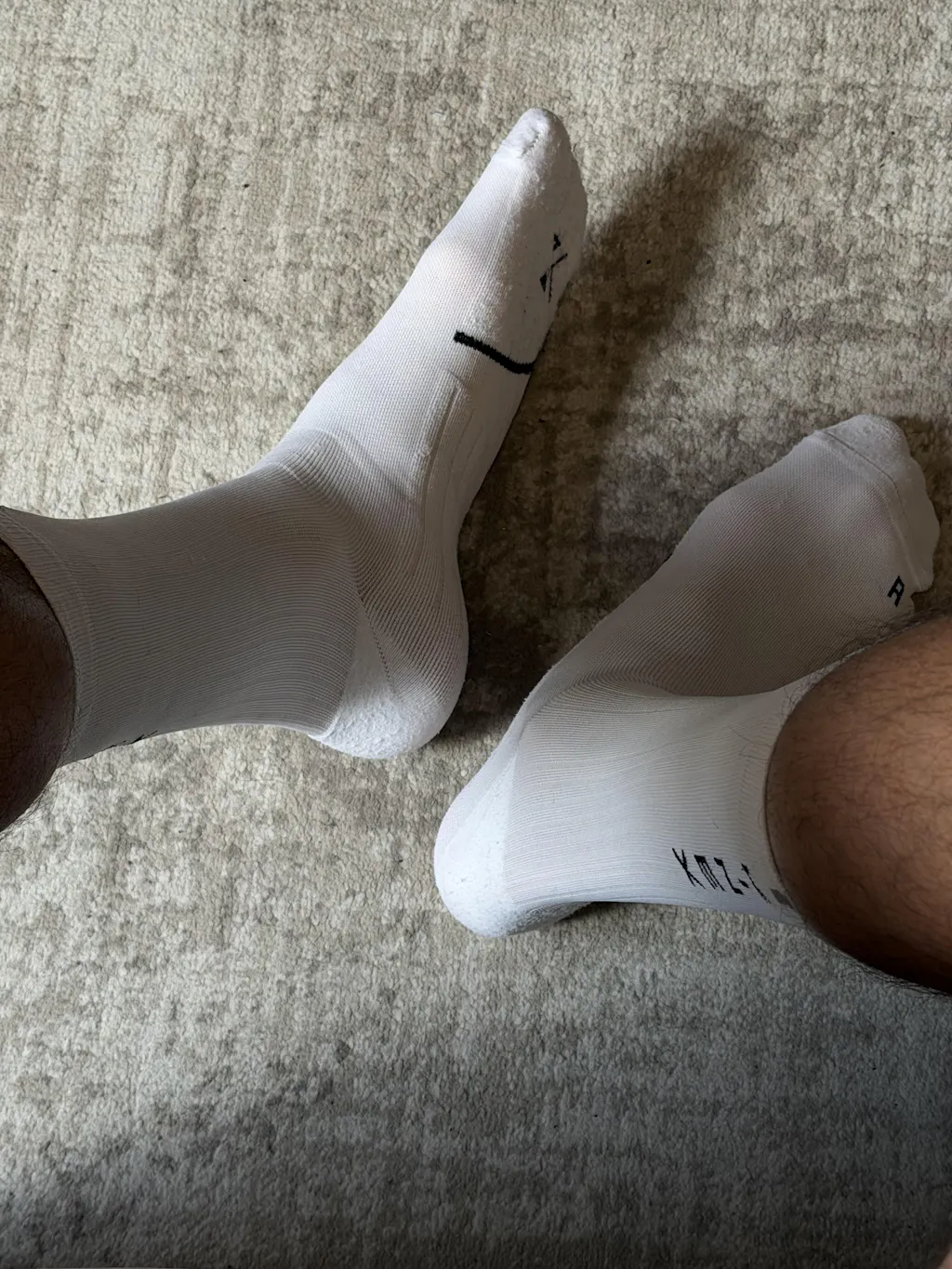


Difference between Class 1 and Class 2 compression stockings
The difference between class 1 and class 2 compression socks lies in the pressure they exert on the lower leg. Class 1 provides light compression and is often used for daily wear. Class 2 provides firmer compression between 23 and 32 mmHg and is more often used for intensive sports or recovery.
What does compression class mean?
The compression class indicates how much pressure a sock exerts on the leg. This pressure is measured in mmHg, millimeters of mercury. The higher the number, the stronger the compression.
Compression socks work with a gradual pressure distribution. This means that the pressure is highest at the ankle and gradually decreases towards the calf. Would you like to better understand how this works? Then first read how compression works.
What is class 1 compression?
Class 1 compression socks provide light pressure and are often used for:
- Long workdays
- A lot of standing or sitting
- Travel
- Light sports activity
They offer support without a strong constricting feeling. For new users, this can be an accessible choice.
What is class 2 compression?
Class 2 compression socks provide firmer pressure, usually between 23 and 32 mmHg. This level is often used for:
- Intensive running training
- Long endurance sports activities
- Recovery after strenuous exercise
- Athletes seeking extra support
Due to the higher pressure, the support can be more noticeable, especially during prolonged strain on the lower legs.
When do you choose class 1 or class 2?
Choose class 1 when:
- You are looking for light support
- You want to wear them daily
- You have no prior experience with compression
Choose class 2 when:
- You exercise intensively
- You run long distances
- You want maximum support during or after exercise
Still unsure about wear duration? Then also read how long you can safely wear compression socks.
Is higher compression always better?
No. More pressure does not automatically mean more effect. The size and correct fit are more important than the highest compression class. Too much pressure with the wrong size can actually be uncomfortable.
Do you want to know what else to look for when choosing socks? Then check out what to look for when choosing compression socks.
Why is size more important than shoe size?
Compression socks must fit snugly to be effective. Calf circumference and ankle circumference determine the correct size. Shoe size alone is not sufficient to guarantee the correct compression.
An incorrect size can also cause discomfort. Therefore, also read when compression socks are not recommended and when you should be extra careful.
Also read
- What do compression socks do? Function, advantages, and disadvantages
- How long can you wear compression socks?
- What are the best compression socks?
- Who should not wear compression socks?
Frequently asked questions
What does 23–32 mmHg mean?
This means that the pressure at the ankle is between 23 and 32 millimeters of mercury. This pressure gradually decreases towards the calf.
Can I use class 1 as an athlete?
Yes, for light exertion or shorter training sessions, class 1 may be sufficient. For intensive endurance sports, class 2 is more often chosen.

Written by Justin Wiggers