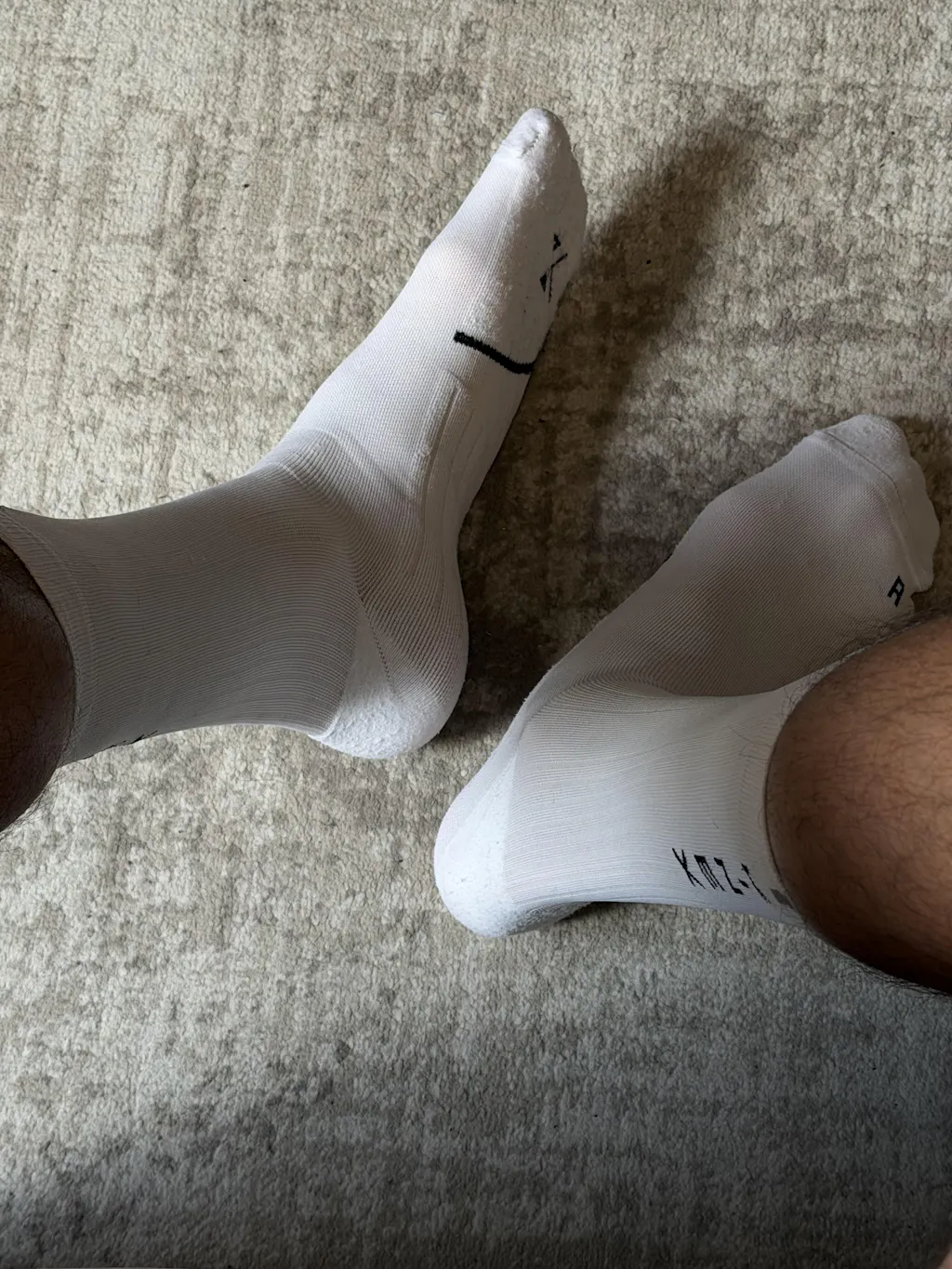


Who should not wear compression socks?
Most healthy athletes can safely wear compression socks. Nevertheless, there are situations in which compression is not recommended or where medical advice is needed first. Caution is especially important with certain vascular problems or circulatory disorders.
When should you be careful with compression socks?
Compression socks exert pressure on the lower leg. In most cases, this supports circulation. However, in some conditions, extra pressure can be undesirable.
Caution is advised for:
- Severe vascular diseases
- Untreated peripheral arterial disease
- Severe heart problems
- Open wounds or skin infections on the lower leg
If you are unsure what compression does in the body, first read understand how they work before you try them.
Can compression socks be dangerous?
For healthy users, compression socks are generally safe. Problems usually arise from:
- An incorrect size
- Too high compression for the situation
- Incorrect or prolonged use without comfort checks
A sock that is too tight can cause tingling, discoloration, or pain. These are signals to take them off.
Why can the wrong size cause problems?
Compression socks must fit snugly around the calf and ankle circumference. If the sock is too small, the pressure can become too high. If the sock is too large, the pressure distribution is not effective.
Therefore, also read choose the best compression socks for your situation and pay attention to correct sizing.
Can everyone wear class 2 compression socks?
Class 2 compression, often between 23 and 32 mmHg, provides firmer pressure than class 1. For healthy athletes, this is usually not a problem during sports or recovery.
Do you want to know exactly what the difference is? Then check out the difference between compression classes.
What if my legs feel tired or heavy from compression?
A heavy feeling can occur when:
- The size is incorrect
- The compression class is too high
- The sock is worn for too long consecutively
Always check that the sock fits comfortably and does not cause pressure points. If you are unsure about the wearing duration, read how long and when you can use them.
When should you seek medical advice?
Consult a doctor if you:
- Are known to have vascular problems
- Have chronic swelling without a clear cause
- Experience pain or discoloration when wearing compression
Compression socks are intended as support for sports and daily use, not as a replacement for medical treatment.
Read also
- What do compression socks do?
- Difference between class 1 and class 2 compression socks
- How long can you wear compression socks?
- What are the best compression socks?
Frequently asked questions
Who should not wear compression socks?
People with severe vascular diseases, untreated circulatory problems, or open wounds on the lower leg should first seek medical advice before wearing compression socks.
Are compression socks safe for healthy athletes?
Yes, provided the size is correct and the compression matches the activity.
What should I do if compression socks hurt?
Take them off and check if the size and compression class are appropriate. If discomfort persists, medical advice is advisable.

Written by Justin Wiggers