



Ontzettend fijne sokken, goede kwaliteit en fijn voor lange runs en herstel! Mooi design


Long Compression Socks (2-pack)
Class 2 · 23-32 mmHg · Made in Portugal
 Sleek, minimalist design
- Reduces the risk of injury
- Maximum compression class for sports
Twijfel je tussen twee maten? Kies de grootste. Ruilen is gratis.
 Order before 4 PM for delivery within 1 to 3 business days
- Wrong size? Free exchange
- 30-day trial · Money-back guarantee
- Free shipping on orders over €35
Reduce injuries. Lighter legs. More stable feeling.
- Less muscle tremor during exertion
- Better circulation, less blood pooling
- Less muscle soreness, better recovery
Two pairs of knee-high compression socks (class 2, 23–32 mmHg) with graduated compression from foot to knee. Designed to support your performance and speed up your recovery, with two pairs for those who never miss a session.
- Always a fresh pair ready for your next workout
- Full compression across the foot, ankle and calf
- Reduced muscle vibration during intensive and prolonged exertion
- Ideal for long runs, intensive training and recovery
- Sleek and functional, without distraction
How does compression work?
Features & material
Usage & applications
Shipping & returns
Shipping
- Mailbox package with PostNL, including track & trace
- Free shipping on orders over €35
- Ordered before 4 PM, delivered within 1 to 3 working days
Exchanges
- Wrong size? Free exchange, even if you've trained with them
- We pay for the return label
- Your new pair will be shipped as soon as we receive your return
Returns
- 30-day trial, money back if not satisfied
- Return shipping is at your own expense
- Register your return via info@kinex.nl
Choose options
Long Compression Socks (2-pack)
Sale price€67,90
Regular price€79,90

Protect your training rhythm
Compression keeps you going

Controlled compression
Gradual (32 → 23 mmHg)

Swisslastic AG measured
Medically measured compression

200-needle fine gauge
Compact and soft structure

Made in Portugal
Responsible European production
Why KINEX?
KINEX
Other brands
Standard socks
Compression class 2 (23-32 mmHg)
Lighter legs
Lowers injury risks (e.g., shin splints)
200 needles fine knit for extra durability
Maximum ventilation (mesh) to prevent sweaty feet
Anatomically shaped for a second-skin feel
Minimalist design for a sleek look
Responsibly Made in Portugal
Support your legs, protect your rhythm
Compression socks for running and sports
For athletes who are not looking for more fuss, but for more results. Targeted compression supports your lower legs during exercise and helps your body recover faster after intense workouts and long runs.
Finely knit with 200 needles for a dense, soft structure, combined with technically placed ventilation zones that regulate temperature. Finished in a minimalist design that looks sleek without unnecessary details.
Tested with Swisslastic AG measuring equipment, technology from the medical world. This guarantees an accurate pressure distribution that supports your blood circulation during exercise and helps prevent injuries such as shin splints.
Sustainably produced in Europe under fair and controlled working conditions. Craftsmanship, transparency, and quality are central, with a short production chain that limits unnecessary emissions.


KINEX
Be persistent.
Become a winner.
Those who persevere, improve. Progress lies in repetition, discipline, and recovery. Our compression wear is developed to support you in this process. Whatever your goal may be.
Need help?
Frequently asked questions
mmHg is the unit for pressure, the same one your doctor uses for your blood pressure. 23-32 mmHg means the sock actively compresses your leg. Class 2 is firm and clearly noticeable. For comparison: a regular sock has zero pressure, Class 1 is around 15-21 mmHg. Class 2 provides more support and is suitable for sports and recovery.
The sock is tightest at your ankle and gradually loosens towards your knee. Blood flows from your foot back up to your heart. By applying more pressure at the bottom, you give that blood a push upwards. The result: less heavy legs, less muscle vibration, faster recovery after a workout.
Yes, they are specifically designed for this. The sock breathes, stays up, and supports your calf with every step.
Yes. After an intense workout, fluid accumulates in your legs. The compression helps drain it faster. Put them on after your workout, elevate your legs, and leave them on for a few hours.
Use the size chart and measure your shoe size. Compression socks should fit snugly. Too large and the compression won't work, too small is uncomfortable. If you are on the border of two sizes, choose the smallest.
Roll the stocking all the way down to the heel. Put your heel in first and slowly roll the stocking up, piece by piece. Check that there are no creases, as these create pressure points. Ideally, put them on as soon as you wake up, before your legs swell.
During exercise and for a few hours afterwards is normal. A full day is also fine for most people. Do not wear them to sleep. If you experience discomfort or are in doubt, consult a physical therapist.
This is a bundle with no reviews of its own. The merchant set it to show reviews from the products it includes.
S
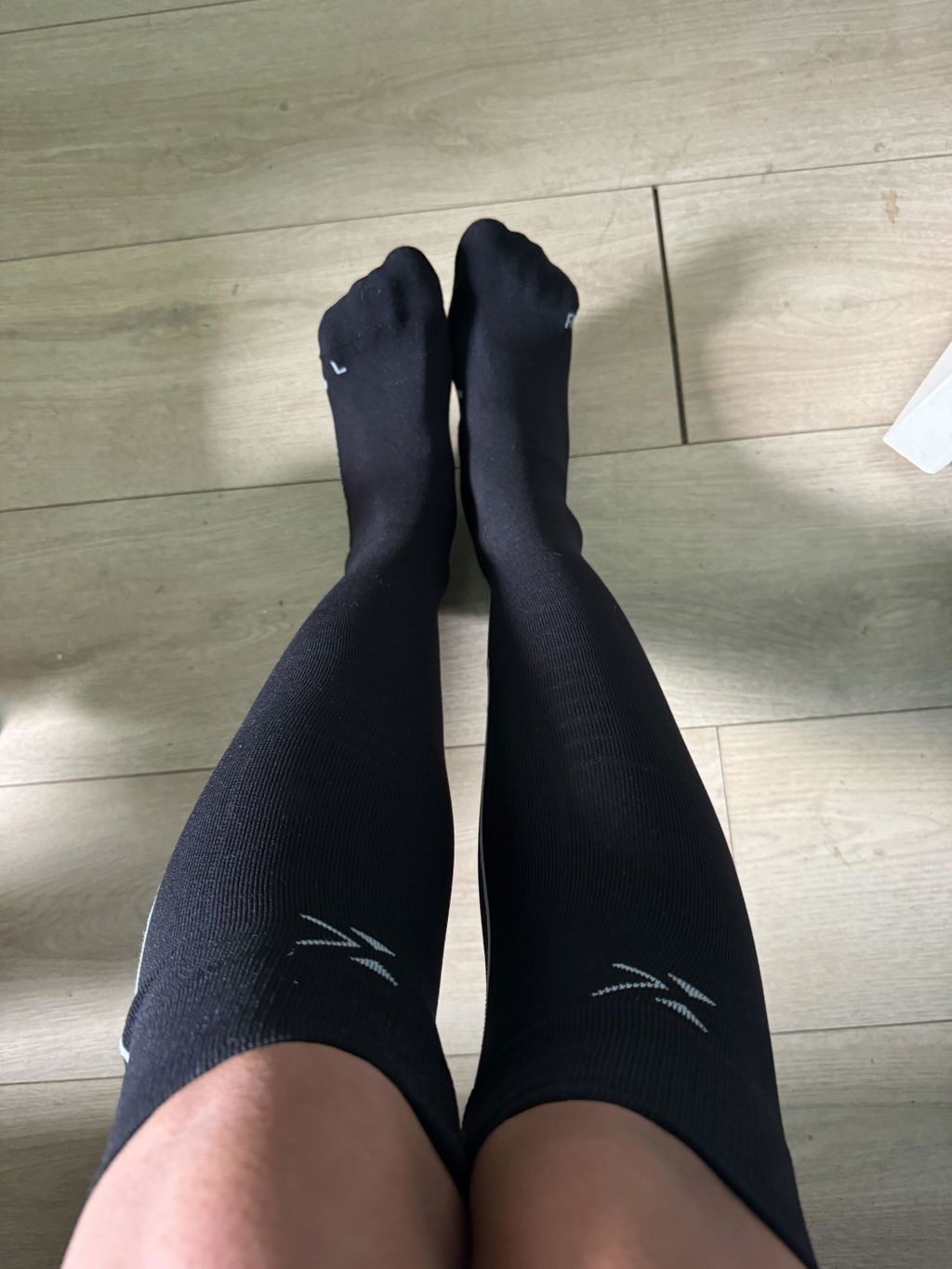
I love these compression socks! Been wearing them for working out, running, flying, and also simply to rest after a long day. They are so comfty that after few minutes tou forget that you are wearing them! absolutely recommend!!
D
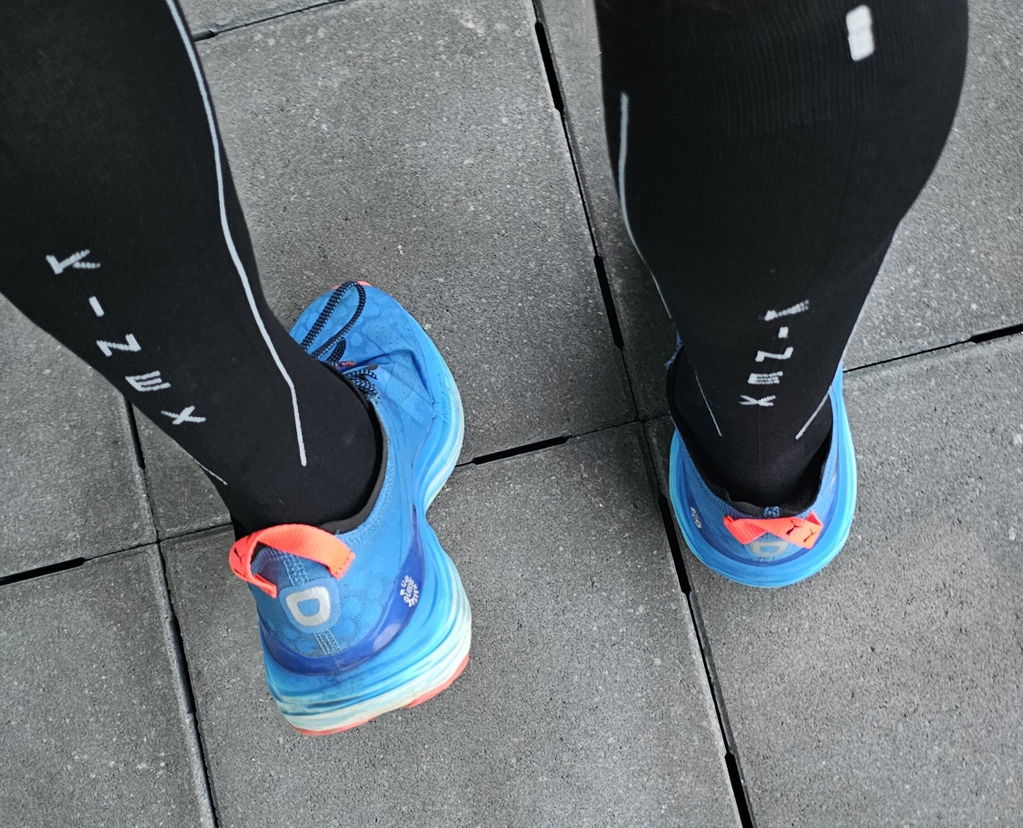
Great compression, high quality materials, and well made compressions socks, you can clearly feel and sense, how much went into designing them. I am really satisfied and for someone that has been using compression socks since years, definitely the best ones so far!
N
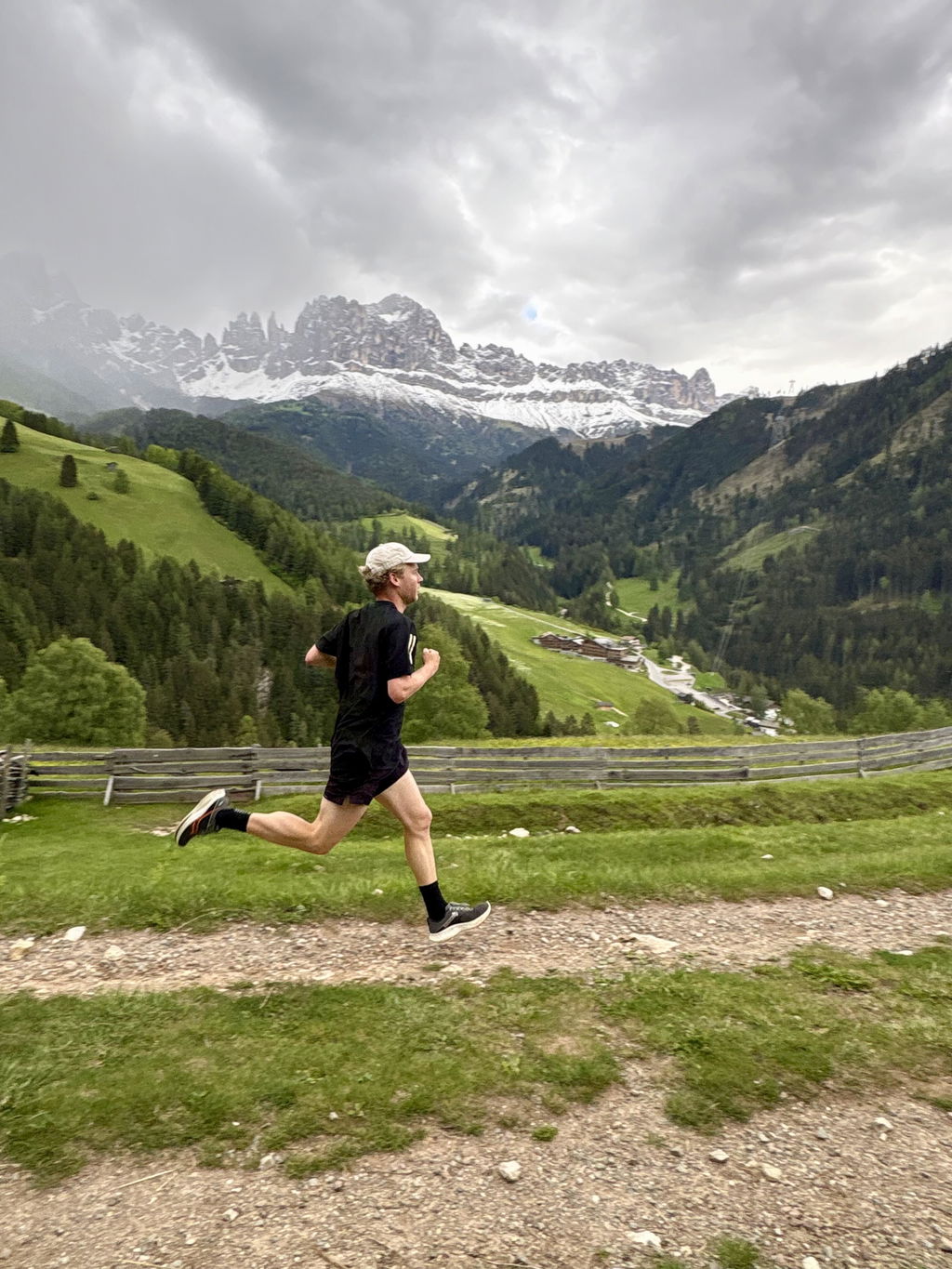
Inmiddels gebruik ik ongeveer een half jaar zowel de hoge als lage sportsokken en ben erg tevreden! Het zit comfortabel (ook na langdurig dragen), heeft een strak design en het heeft de voordelen van compressie. Naast hardlopen gebruik ik ze ook voor andere sporten/activiteiten zoals voetbal, padel, fietsen en hiken.
A
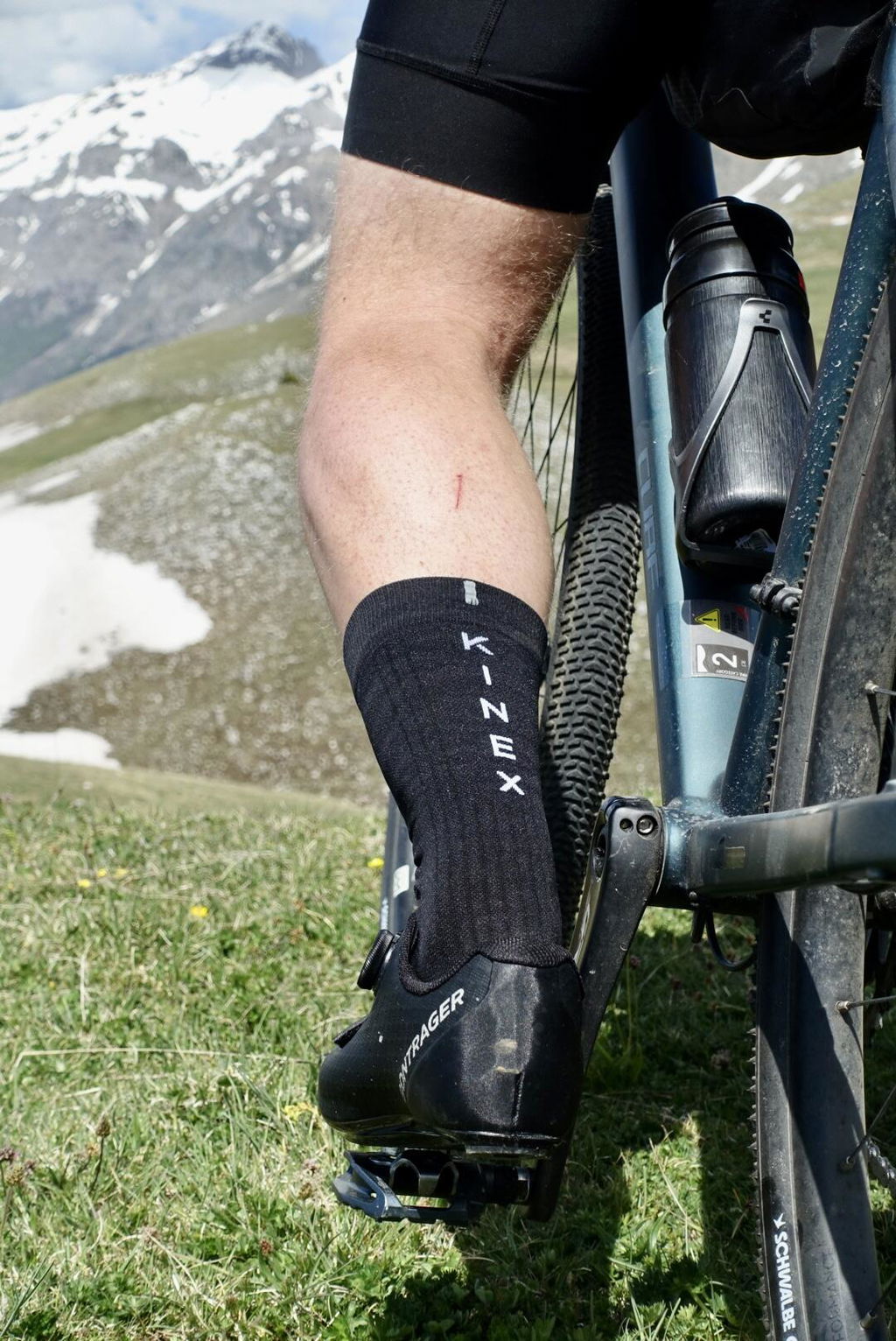
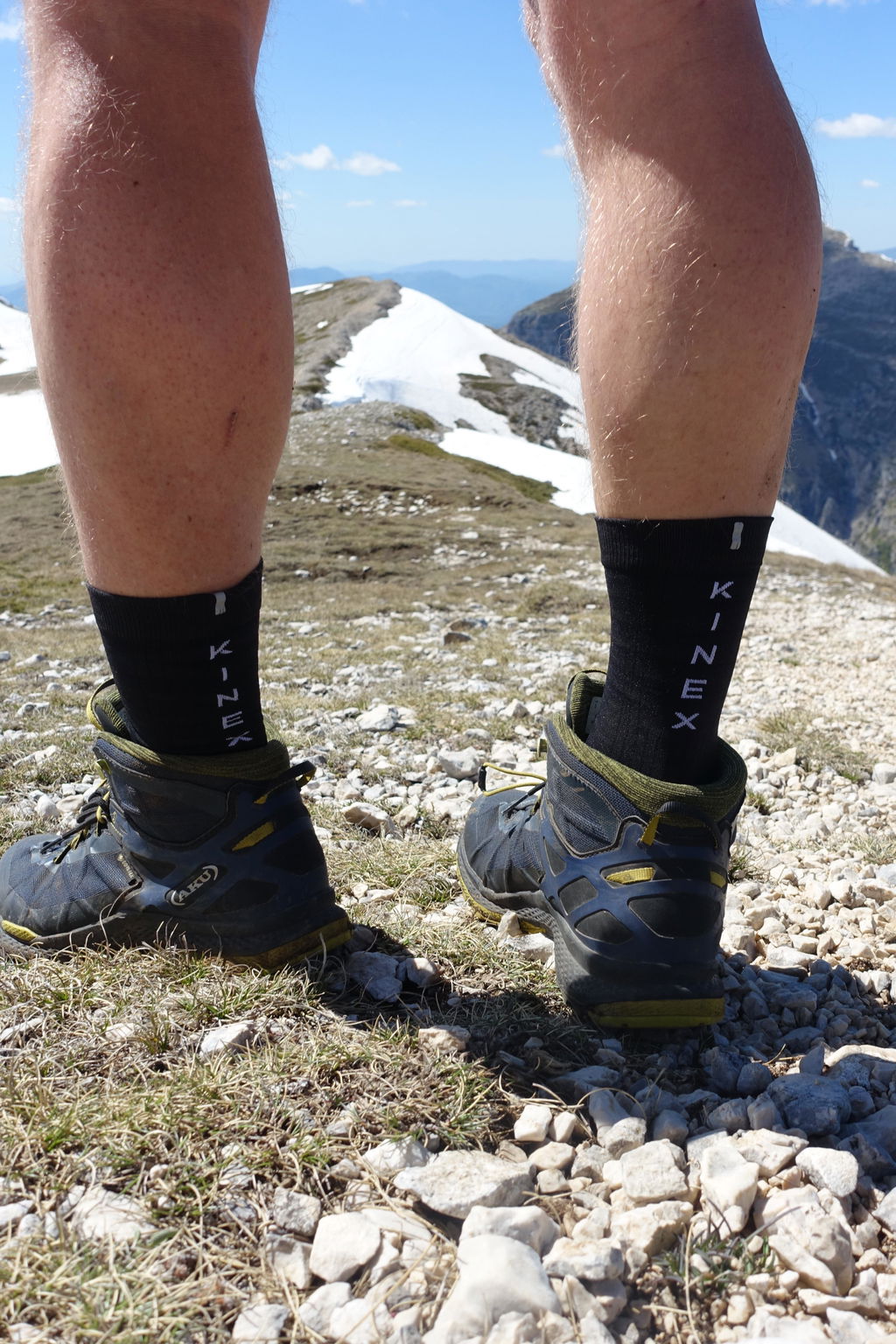
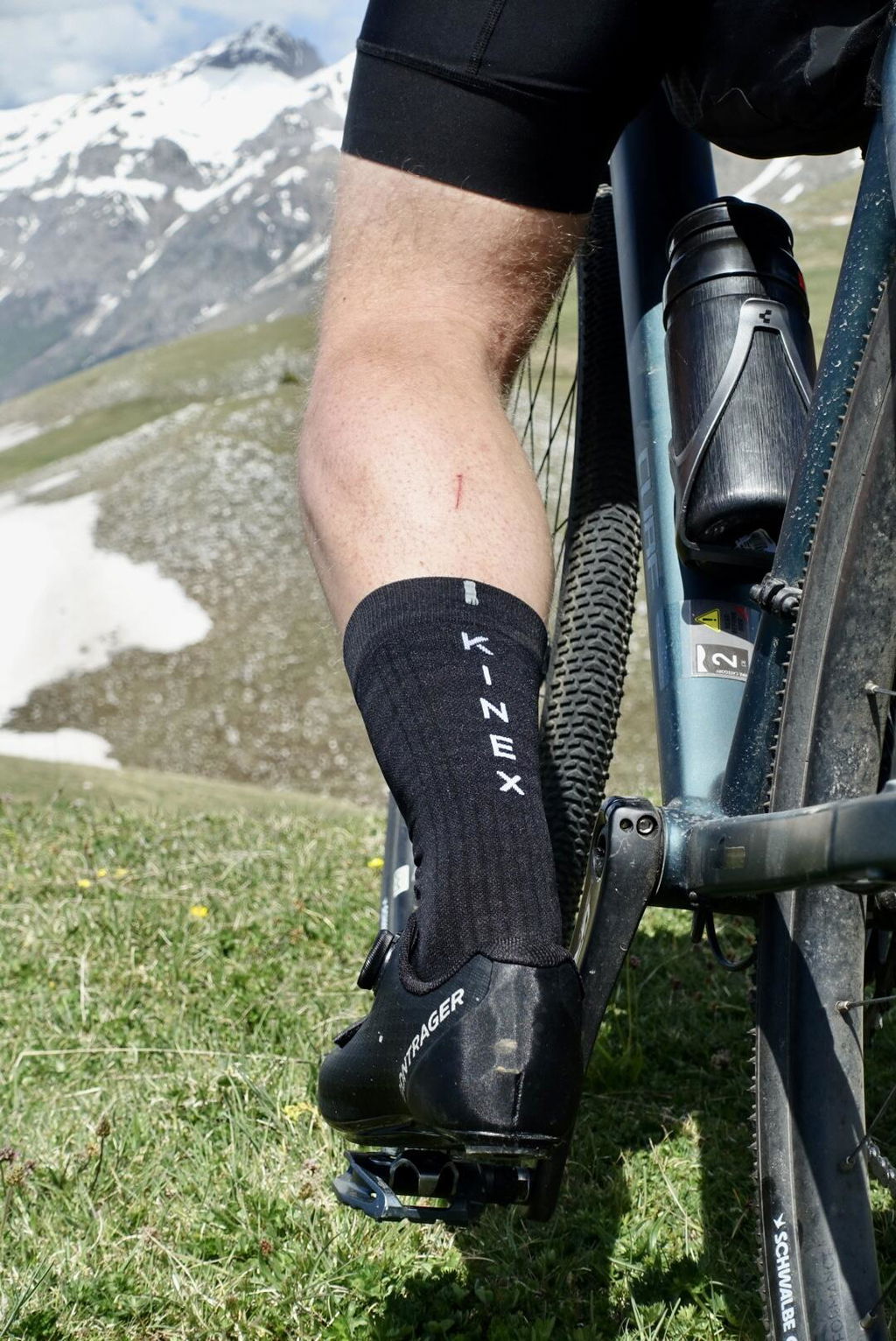
Geweldige sokken! Wij gebruiken ze voornamelijk voor het rennen maar gezien we ook veel aan hiken en wielrennen doen zijn we ook zeer groot fan van de sokken. Ze bieden enorm veel support 👏
J
Ik ben heel erg tevreden met mijn sokken. Draag ze bij elke training, zitten lekker!
Wat fijn om te horen, Justin! Veel plezier met je trainingen en geniet van de sokken!
A
L
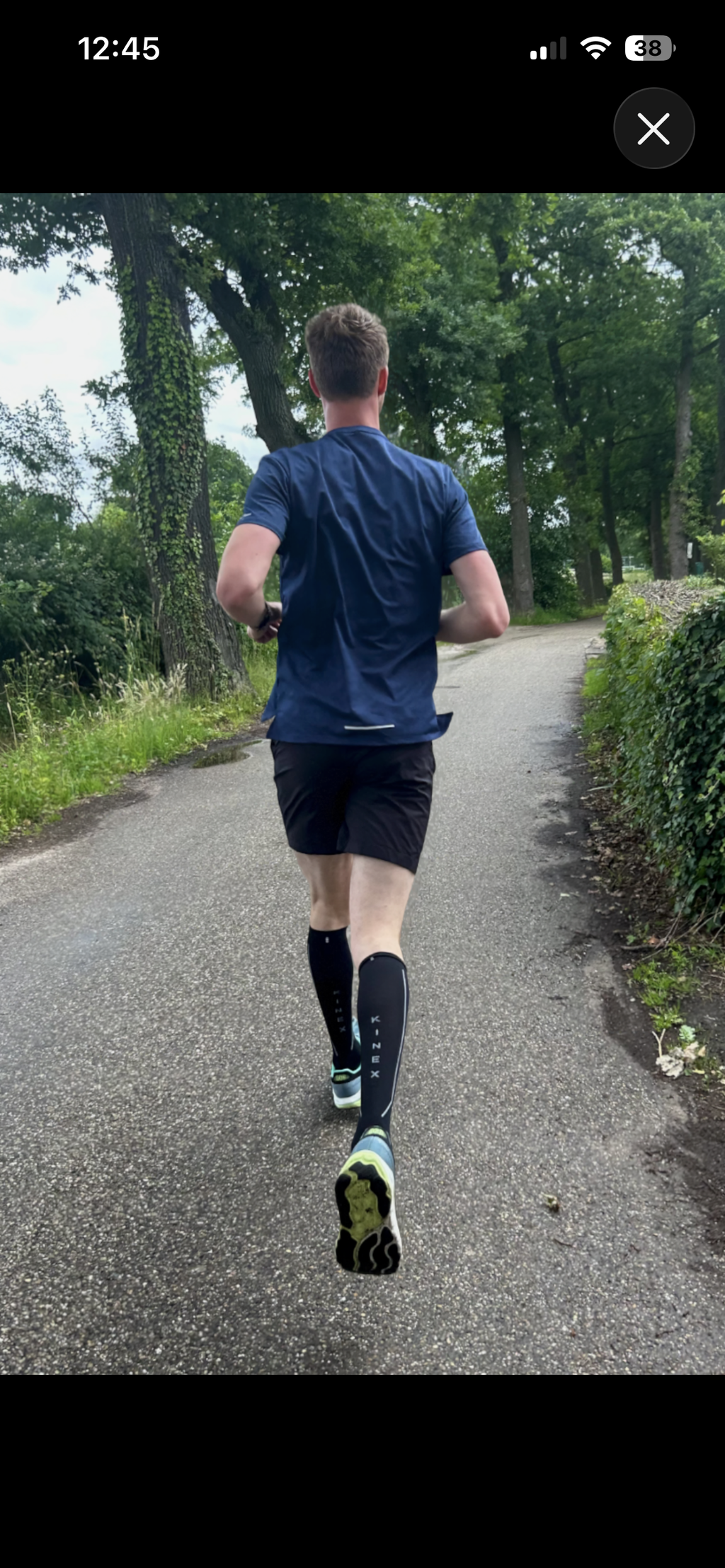
Ontzettend fijne sokken, goede kwaliteit en fijn voor lange runs en herstel! Mooi design
N
Hele fijne sokken. Goede pasvorm, fijne naadloze stof en je voelt echt dat de kuiten warm worden en dus de doorbloeding geactiveerd wordt. Ik ben er echt heel blij mee 💯
J
Erg fijn! Zelf gebruik ik de lange compressiesokken vooral tijdens long runs. Voelen goed, blijven goed strak en daarnaast vind ik het design ook mooi en clean
E
Ze zijn echt top. Meest van de tijd heb ik ze de hele dag aan.
J
Very happy with these socks. I’ve always had sensitivity for getting shin splits, but running with the support of these kinex socks seriously helps. Would recommend!
E
Geeft maximaal comfort.
M
I adore the color combination of white with light blue, it makes the sock sporty yet refined. Great product !!
M
Beautiful and elegant design, and the compression is excellent !!
Z
De compressiesokken van Kinex zijn wat mij betreft een echte musthave voor iedereen die lange afstanden loopt. Tijdens mijn eerste marathon hebben ze echt het verschil gemaakt. Mijn benen voelden beter ondersteund en minder vermoeid, waardoor ik mijn race succesvol heb kunnen uitlopen.
De pasvorm is comfortabel en stevig zonder te knellen en ze blijven goed zitten tijdens het lopen.
Volgende keer ga ik ook de korte variant proberen, ben benieuwd of die net zo goed bevallen!
P
Top sokken!